Finding Peace: What Makes a Quiet Assisted Living Home Different
When families begin looking into senior living options, the first thing they often mention is wanting a place that feels calm. Not sterile, not busy, not overwhelming. Just a space where their loved one can settle in without constant noise or disruption. That desire is more common than you might think, and it explains why so many people are asking about what a quiet assisted living home actually looks like in practice.
In places like Venice FL, where the pace of life tends to be slower and the community values comfort, the idea of a quiet assisted living home resonates deeply. It is not about silence or isolation. It is about an environment where residents feel safe, where staff move with intention, and where the daily rhythm supports rest and connection in equal measure.
What Quiet Means in Assisted Living
Quiet can mean different things to different people. For some, it means fewer residents in the building, so there is less background chatter and commotion. For others, it means a staff that speaks softly and takes the time to listen rather than rushing through tasks. And for many families, it means a place that does not feel like an institution at all.
Small-scale residential settings often achieve this naturally. With fewer residents, the noise level drops. Meals feel more like family dinners than cafeteria lines. Staff know each person by name, not just by room number. That familiarity creates a calm environment where residents can relax and be themselves.
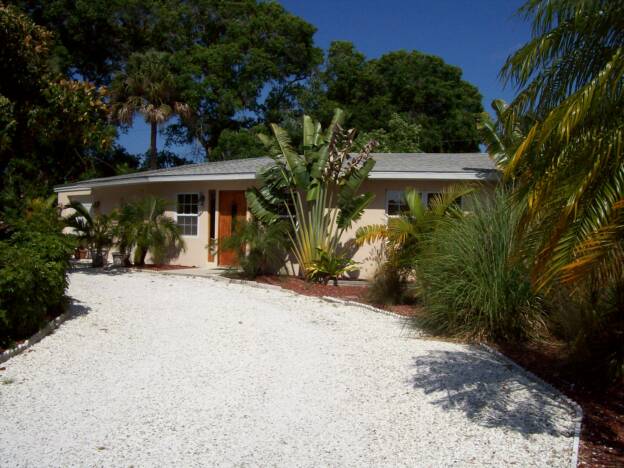
In a quiet assisted living home, the design also matters. Wide hallways, private rooms with good soundproofing, and access to outdoor spaces like gardens all contribute to a sense of peace. When a resident can step outside into a garden and hear birds instead of alarms or televisions, the effect on their mood is immediate.
How Quiet Supports Memory Care and Dementia Care
For someone living with dementia, noise and overstimulation can be deeply unsettling. A loud dining room or a busy hallway can trigger confusion, agitation, or even aggression. That is why many memory care programs are designed with quiet and predictability in mind.
In a setting that prioritizes calm, residents with dementia benefit from consistent routines, soft lighting, and staff trained in person-centered care. The focus shifts from managing behaviors to understanding the person behind them. When a resident feels safe and unpressured, they are more likely to engage, eat well, and sleep through the night.
Research from organizations like the Alzheimer’s Association confirms that reducing environmental stress is one of the most effective non-pharmacological approaches to dementia care. A quiet assisted living home that integrates these principles is not just comfortable. It is therapeutic.
Individualized Support in a Small Setting
Large facilities often have to standardize care to manage their size. But in a smaller residence, individualized support becomes the norm rather than the exception. Staff can tailor daily living assistance to each person’s preferences, from morning routines to meal choices to social engagement.
Medication management is handled with care and attention, but without the assembly-line feel. A nurse or licensed nursing aide can sit with a resident, explain what each pill is for, and ensure it is taken properly. That personal touch reduces errors and builds trust.
Nutritional meals are another area where quiet homes excel. Instead of pre-plated trays delivered on a cart, residents might gather around a table and choose from dishes prepared on-site. The conversation flows, the pace is relaxed, and everyone eats better.
The Role of Family Visitation and Social Engagement
Families worry that a quiet home might feel lonely. In practice, the opposite is often true. When the environment is calm and welcoming, family visitation happens more naturally. Grandchildren are not intimidated by noise or chaos. Siblings can sit and talk without shouting over a television. Private rooms and common areas designed for conversation make these visits meaningful.
Social engagement is still a priority, but it looks different. Instead of a mandatory bingo night with fifty people, a quiet home might offer a small book club, a gardening session, or a music hour where residents actually participate. The goal is connection, not crowd control.
Respite Stays and Holistic Wellness
For families who are not ready for a permanent move, respite stays offer a chance to test the waters. A short stay in a quiet assisted living home can give both the resident and their family a break. Caregivers get time to rest and recharge. The resident gets a taste of the community, the meals, and the daily routines.
Holistic wellness in this context means caring for the whole person, not just their medical needs. It includes emotional support, spiritual care if desired, and opportunities for gentle physical activity. It means recognizing that a person’s quality of life depends on feeling valued, not just cared for.
What to Look for in Florida Assisted Living
Florida assisted living regulations set a baseline for safety and staffing, but the real differences come down to culture and philosophy. When you visit a potential home, pay attention to the feeling in the air. Do staff speak to each other with respect? Do residents look engaged or just present? Is there a place where someone can be alone if they choose?
Ask about 24-hour supervision and what that looks like overnight. Is there a nurse on call? How do staff handle emergencies without creating panic? A well-run quiet home has protocols that keep everyone safe without making the environment feel like a hospital.
Also ask about the ratio of staff to residents. In small-scale residential homes, that ratio is usually better. That means more time for conversation, more help with daily tasks, and more eyes on each resident’s well-being.
The Bottom Line on Quiet Assisted Living
Choosing an assisted living community is a deeply personal decision. The right fit depends on the individual’s personality, needs, and preferences. But for many families, the search leads to the same conclusion: they want a quiet assisted living home where their loved one will be treated like family, not like a case number.
That kind of home exists. It is the place where staff remember birthdays, where meals are shared with friends, where gardens are tended with care, and where every resident is known. It is not about being the newest or the biggest. It is about being the right fit for one person at a time.
When you find that home, you will know it. The calm will be obvious. The trust will come naturally. And your loved one will have the peace they deserve.